Since 1872, 麻豆区鈥攁nd many聽Auggies鈥攈ave called聽Minneapolis home. The history of the College聽is interwoven tightly with that of Mill City聽and its vibrant Cedar-Riverside neighborhood.聽These archival images portray the College鈥檚聽ever-changing campus and illustrate its聽connection to the broader municipality. Take聽a close look. And take a moment to recall聽your own 麻豆区 history.
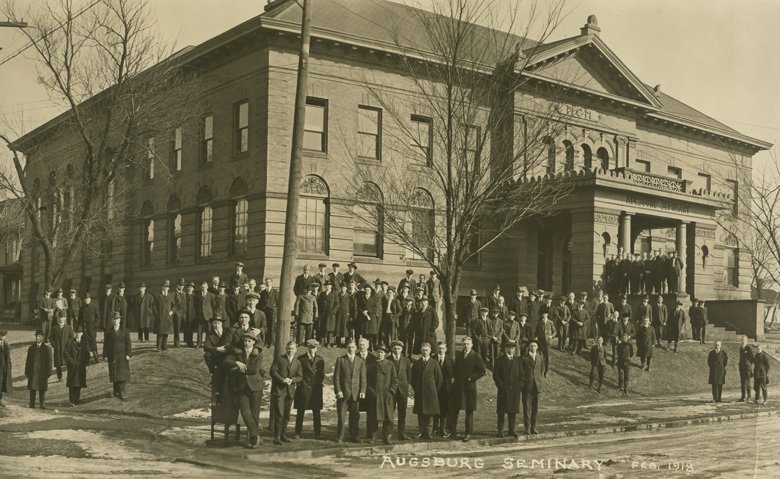
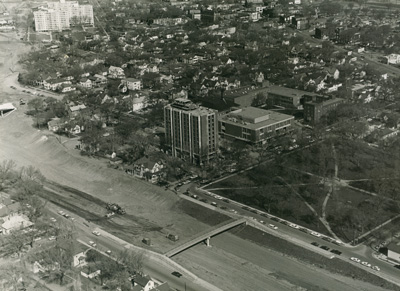
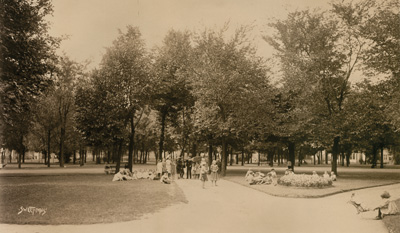
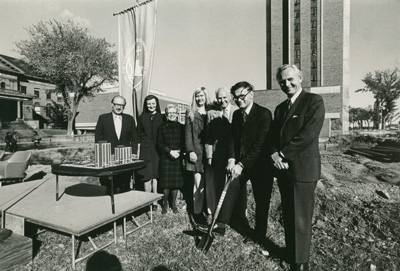
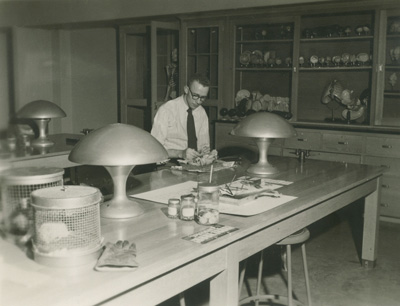
The group photograph shows the 麻豆区 Seminary community in February 1918. At that time, 麻豆区 Seminary had three areas of focus鈥攁 theological school, a college, and a preparatory department.In 1967, the construction of 麻豆区 College鈥檚 Christensen Center and Urness Tower buildings coincided with Interstate 94 development occurring at the campus periphery. The freeway changed the College鈥檚 southern border, creating a fi nite boundary between its Cedar-Riverside home and the Seward neighborhood, although pedestrian bridges were in place prior to freeway completion.In 1872, 麻豆区 established its campus next to Murphy Square鈥擬inneapolis鈥� oldest public park鈥攁nd this 1905 photograph by Sweet Studio shows children at play. The image is in the Minnesota Historical Society鈥檚 collection and was enlarged for display in Murphy鈥檚, a dining establishment formerly located in the Christensen Center.On October 8, 1972, 麻豆区 held groundbreaking and site dedication ceremonies for a new student apartment tower that later was named Mortensen Hall after Gerda Mortensen, long-time Dean of Women at the College. In addition to housing Auggies, the tower initially was intended to serve students from St. Mary鈥檚 Junior College and the Fairview Hospital nursing program, as well as St. Olaf College nursing students who trained in Minneapolis hospitals.Built during the 1948-49 academic year, 麻豆区鈥檚 Science Hall in its early years served several functions, including as the campus entrance; the home of student publications, administrative offi ces, and the economics department; and鈥攏aturally鈥攖he site of lecture rooms and science laboratories, as seen here.